
"coffee export trends"
1000 article(s) found
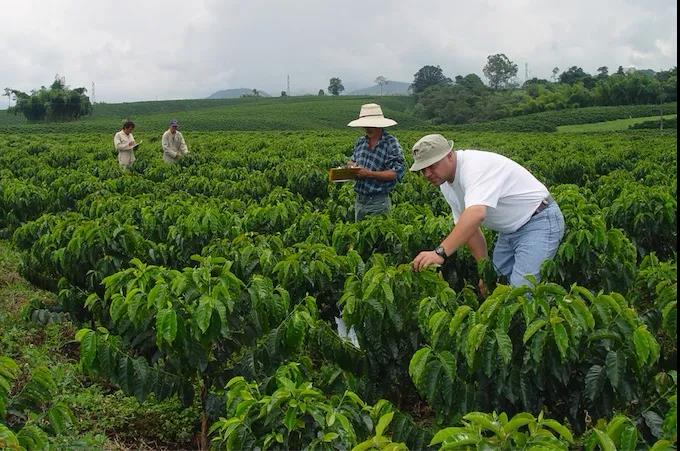
Instability of coffee in Brazil has pushed the futures price of Arabica coffee to its highest level since 2017
Professional coffee knowledge exchange more coffee bean information Please follow the coffee workshop (Wechat official account cafe_style) ICO said in a recent report that the price of Arabica coffee rose for the fifth month in a row in March, the longest in nearly five years. Arabica prices in March rose 0.8% from February, making this figure the highest since September 2017.

The present situation of Coffee Industry in Pu'er City _ Pu'er Coffee background characteristics
Professional coffee knowledge exchange more coffee bean information please follow the coffee workshop (Wechat official account cafe_style) Yunnan, the south of Caiyun, beautiful and poetic. People in the coffee industry should also know that Yunnan is the most important coffee industry region in China, and Yunnan Pu'er has won the reputation of the coffee capital of China. All kinds of coffee competitions and coffee events will be here.

Kenya coffee beans characteristics of the production area taste grinding scale processing method aroma yield trend introduction
Kenya coffee is mostly grown at altitudes of 1500- 2100 meters and harvested twice a year. To make sure only ripe berries are picked, people have to make about seven rounds through the woods. Kenyan coffee is grown by small farmers who harvest the coffee and send it fresh to a cooperative washing station, where the washed, dried coffee is washed into parchment coffee beans (i.e., coated inside).

Commercial coffee bean grinder market 2019: global industry share, scale, major suppliers
The Commercial Coffee Bean Grinder Market Research report 2015-2024 provides the latest industry data and future industry trends, enabling you to identify products and end users, thereby driving revenue growth and profitability. The commercial coffee bean grinder market report helps businessmen / investors avoid unpleasant surprises. Intuition and experience may sometimes help, but research and facts can often be more accurate.

World Coffee History
In the sixth century, Ethiopian shepherds discovered red coffee fruits. In the eleventh century, Arab merchants spread coffee to Europe. In the 16th century, Franz Geora Kolschitzky, a Viennese, established the first coffee shop in Europe. He also started the trend of drinking coffee with milk. In 1554, coffee in Istanbul became black gold, and it was very popular with Ethiopian shepherds in the sixth century.
Ethiopia Yega Xuefei is close to the floral taste and is wilder, sweeter and thicker than the coffee bean market.
Today, there are still a large number of wild Arabica coffee trees growing in many parts of Ethiopia, averaging between 4200 and 6800 feet above sea level. Now there is a trend of small cultivation, generally planting banana trees for shade at the same time, but due to lack of agricultural technology, herbicides and pesticides are less used. Coffee is Ethiopia's main economic crop and the largest in the country.

Brazil is the largest coffee producer in the world, Minas Gerais, a coffee bean region with Brazilian flavor.
The global trend of modern coffee has gone through three popular stages: the first stage is the popularity of cheap coffee represented by instant coffee from the post-World War II to the 1960s; the second stage is the popularity of commercial coffee represented by Starbucks from the 1960s to the beginning of this century; the third stage is the popularity of boutique coffee, which originated in the 1970s and has become a trend in the past decade.

World Coffee History Ethiopian Shepherds find Red Coffee fruits
In the sixth century, Ethiopian shepherds discovered red coffee fruits. In the eleventh century, Arab merchants spread coffee to Europe. In the 16th century, Franz Geora Kolschitzky, a Viennese, established the first coffee shop in Europe. He also started the trend of drinking coffee with milk. In 1554, coffee in Istanbul became black gold, and it was very popular with Ethiopian shepherds in the sixth century.

Compared with cafes, will China's next Starbucks be born from tea brands?
Exchange of professional baristas Please pay attention to the Coffee Workshop (Wechat official account cafe_style) the new tea combines traditional Chinese tea and milk tea, creating a wonderful chemical reaction, followed by a frenzy of capital. Its purpose is simple and pure, hoping to break down the barriers to brand culture and consumer concepts, and then find the next Starbucks in it. Eye

Rich volcanic soil, more than 2000 meters above sea level, Bolivian coffee introduction
Although the United States is the largest exporter of instant coffee, not many people in the United States drink instant coffee. In recent years, they pay more and more attention to a healthy diet, the market for decaffeinated coffee is increasing, and the trend of drinking coffee without sugar is becoming more and more common. The origin of American coffee the name of American coffee comes from American soldiers in Europe who mixed hot water into small portions common in Europe during the war.

Investment Analysis and Prospect Forecast of Chinese Coffee Industry
Coffee, tea and cocoa are called the three major drinks in the world. Coffee tree is a small evergreen tree of Rubiaceae. Coffee for daily consumption is made from coffee beans combined with various cooking utensils, and coffee beans refer to the nuts in the fruit of coffee trees, which are then roasted by appropriate roasting methods.
South Jiangsu Coffee Brazil Kangwang Merchants
South Korea is currently the fastest-growing arabica coffee market in Asia, with 15000 coffee shops last year, an eightfold increase from 2006. Starbucks already has 554 stores in South Korea. Singer Psy sings sarcastically in the hit music video Jiangnan Style that some fashionable women know how to enjoy the freedom of a cup of coffee and drink coffee can't wait to get cold. Cheers.

The production of coffee beans in the world's major coffee exporters
The output of the world's major coffee exporters is on a downward trend due to various factors, while global coffee demand is rising again. Some analysts pointed out that this will lead to an annual increase of about 20% in international coffee bean prices in the next few years. With the discovery and development of new producing areas such as Yunnan, the distribution of coffee producing areas will be more dispersed, which will also be beneficial to the price of this commodity.

How much does it cost to declare the import of Hawaiian coffee beans
Follow the caf é (Wechat official account vdailycom) found that the beautiful cafe opened a small shop and imported food began to flow into China, under this trend, because it is also the early stage of the popularity of imported food, most traders also know how to import food into China, and even fear in the process of importing food for the first time, feeling that the formalities of imported food are too complicated.

World Coffee History in the sixth Century Ethiopian shepherds discover red coffee fruits
In the sixth century, Ethiopian shepherds discovered red coffee fruits. In the eleventh century, Arab merchants spread coffee to Europe. In the 16th century, Franz Geora Kolschitzky, a Viennese, established the first coffee shop in Europe. He also started the trend of drinking coffee with milk. In 1554, coffee in Istanbul became black gold, and it was very popular with Ethiopian shepherds in the sixth century.

The present situation and Development trend of China's Coffee Industry in 2019 _ the Development Prospect of Coffee Industry is really so Great
Professional coffee knowledge exchange more coffee bean information please follow Coffee Workshop (Wechat official account cafe_style) Coffee, as a traditional Western drink, has a long history and cultural heritage. The world consumes at least 400 billion cups of coffee every year, and the current annual global coffee consumption is about 10 million tons. Coffee is the first of the two largest drinks in the world, and it is also the number one except oil in the world.
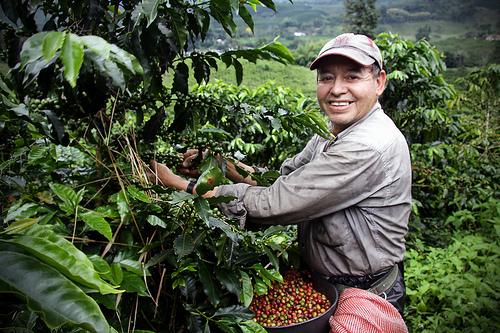
African boutique coffee manor Sidamo Coffee Flavor washing Sidamo Coffee Flavor
The Sidamo producing area, which is 1400-2200 meters above sea level, is a famous boutique coffee area in southern Ethiopia, bordering Kenya. The washed Sidamo is light green, the beans are small, the growth is oval, the fruit is full, the average quality is good, the smell is fragrant and mellow, a drop of entrance, endless aftertaste, with wild beauty. The coffee flavor of Sidamo is very diverse and different.

The Development and change of Coffee Macro-environment Analysis on the Future Development trend of Coffee Market in Yunnan
1. Macro-environmental analysis with the development of the times and the further change of people's concept of life, the coffee industry is also developing at a rapid speed. The promotion of urbanization and the construction of culture are the driving force for the development of coffee shops. Government policy support for college students to start a business. Coffee shop with the popularity of coffee culture, petty bourgeoisie atmosphere

Sidamo sidamoG2 Coffee hand data how to drink Sidamo sidamoG2
For the exchange of professional baristas, please follow the Coffee Workshop (Wechat official account cafe_style) hand-made Sidamo. 15g powder, medium fineness grinding (small Fuji ghost tooth cutter 3.5grinding), v60 filter cup, 9193 degrees water temperature, 30g water injection for the first time, steaming for 27 seconds, water injection to 105g water cut off, wait for the powder bed water to drop to half and then water injection, slow water injection until 225g water, the end section is not

China's coffee market is rapidly growing into a red sea, and brands from all over the world are rushing into it
Professional coffee knowledge exchange More coffee bean information Please pay attention to coffee workshop (Weixin Official Accounts cafe_style) According to this year's report of China Business Industry Research Institute, the coffee market scale in China exceeded 200 billion yuan (RMB, the same below) last year, and it is expected to reach 300 billion yuan by 2020. The rapid growth has attracted many countries to actively enter the market, including Brazil's Santa Monica coffee is expected to enter China.